"From Shade Picking to Final Clean-Up: What to Anticipate From Your Painting Services"
When hiring skilled painting professionals, clients can anticipate a systematic approach that commences with choosing the right colors. This selection is vital for achieving a harmonious environment. The prep work follows, setting the stage for a positive result. Learning about the techniques and processes applied can improve your overall expectations. Yet, the process extends beyond this point. What occurs on the day of painting, and how does the area change once complete? Investigating these factors highlights the real worth of hiring professional painters.
Color Selection: Tips for a Harmonious Environment
When choosing colors for a painting endeavor, homeowners ought to think about how distinct tones relate to one another within a space. The choice of color not only influences the visual appeal but also influences the mood and perception of size within a room. Lighter shades can produce a sense of openness, allowing compact spaces to appear bigger, while deeper shades can introduce richness and coziness.
Homeowners ought to also keep in mind the light levels in every room, as natural and artificial light can affect the look of colors throughout the day. Coordinating colors with existing furnishings and decor is vital for accomplishing a unified appearance. Additionally, considering the flow between adjacent spaces guarantees harmony throughout the home. Applying color swatches to the walls can provide insight into how the chosen hues will look in various lighting scenarios. Ultimately, thoughtful color selection contributes greatly to the general atmosphere of the home.
Getting Your Home Ready for a Successful Paint Job
Readying a home for painting necessitates thorough planning. Moving furniture out of the way and carefully safeguarding surfaces are essential steps to secure a efficient workflow and excellent results. By taking these precautions, homeowners can develop a more productive painting setting.
Furniture Clearance
Clearing away furniture is vital for a productive painting project. It allows painters to access all surfaces without obstruction, providing an uniform application of paint. By taking out items such as chairs, desks, and storage units, homeowners can protect against accidental harm to their belongings while increasing the expert advice effectiveness of the painting process. Additionally, clearing the area creates a cleaner environment, allowing the painters to work with fewer distractions. It is suggested to place furniture in a separate room or storage area, while also accounting for the removal of wall hangings and lighting fixtures. This preliminary step not only protects the furniture but also promotes a more efficient workflow, producing a professional outcome and a quicker turnaround time for the painting project.
Safeguard Surfaces Correctly
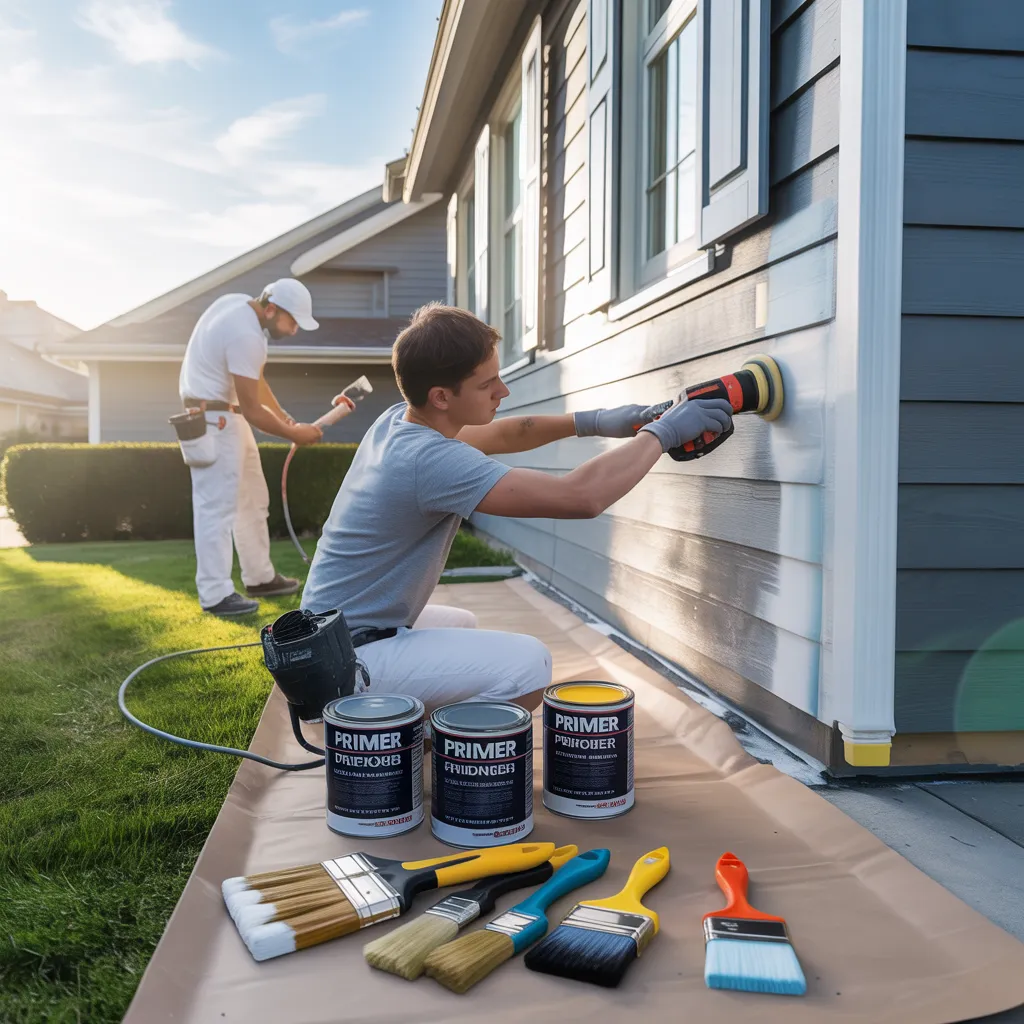
To guarantee a smooth painting endeavor, safeguarding surfaces is fundamental. Expert painting contractors typically begin by evaluating the site to identify any surfaces that require safeguarding, such as floors, furniture, and fixtures. They frequently utilize protective coverings or plastic tarps to shield floors and furnishings, preventing paint splatters and drips. Additionally, painters often tape borders and trim to ensure precise lines and reduce the chance of unintended overspray. Extra attention is given to sensitive surfaces or spaces needing additional care. By implementing these safeguarding steps, professional painters create a conducive environment for their work, guaranteeing that the outcome aligns with the homeowner's vision while upholding the quality of the property's existing surfaces.
Why Surface Preparation Is Critical to Achieving a Flawless Finish
While many may underestimate the value of surface preparation, it holds a vital place in attaining a perfect result in painting endeavors. Proper preparation includes cleaning, sanding, and repairing surfaces to guarantee they are uniform and clear of defects. This essential phase helps paint adhere better, decreasing the risk of flaking or chipping as time passes.
Poor preparation can produce irregular surfaces that compromise the aesthetic appeal of the finished product. Contaminants such as dust, grease, or old paint can form barriers that stop new paint from adhering properly, resulting in a poor visual outcome. In addition, recognizing and tackling any pre-existing concerns, such as mold growth or structural damage, is vital for guaranteeing extended durability.
Ultimately, investing time and effort in surface preparation sets the foundation for a professional-looking result. By focusing on this essential step, clients are rewarded with an attractive, durable finish that improves their space and showcases skilled workmanship.
What Painting Techniques Will Be Used?
When evaluating paint application methods, several techniques can substantially affect the end result. The choice between brush and roller methods, as well as the use of spray painting techniques, is a key factor in obtaining the results you want. Moreover, special finishes can improve the visual appearance, making knowledge of these choices essential for knowledgeable determinations.
Brush and Roller Application Methods
Deciding between the brush and roller techniques can considerably influence the result of a painting endeavor. Brushes are ideal for precision work, such as tight corners and edges, enabling accuracy and control. They also excel in applying paint to rough surfaces, making sure no crevice is missed. However, rollers are preferred for expansive areas because of their speed and efficiency. They can rapidly coat wide surfaces, offering an even finish with less noticeable brush marks. The choice between these methods often depends on the specific requirements of the project, including the type of surface, intended finish, and the skill level of the painter. At the end of the day, both tools play essential roles in achieving a polished and professional result.
Spraying Techniques Explained
Spray application methods provide an alternative approach to applying paint, particularly ideal for broad areas and complex designs. This method utilizes purpose-built tools that convert paint into microscopic particles, allowing for an even and smooth application. Commonly used in both residential and commercial settings, spraying can substantially decrease the duration needed versus conventional techniques. Methods including airless spraying and HVLP systems are widely favored options, each offering distinct benefits. Airless sprayers generate substantial pressure for applying thicker materials, while HVLP systems minimize overspray, making them ideal for detailed work. Knowing these approaches enables clients to understand the high-quality outcomes produced, ensuring their painting project meets expectations.
Overview of Special Finishes
Specialty finishes enhance the visual appeal of a paint project, offering unique textures and visual effects. Methods like faux finishes replicate the appearance of natural materials, such as marble or wood, bringing depth and elegance. Metallic coatings offer a lustrous quality, maximizing light and achieving a sleek modern appearance. Weathered finishes, frequently chosen for rustic spaces, lend a timeless charm by recreating the appearance of natural aging. Furthermore, textured coatings can produce tactile surfaces that capture attention and encourage touch. Each special finish requires skilled application to achieve the desired look, guaranteeing that the completed outcome matches the homeowner's expectations. Understanding these techniques allows clients to make informed choices that enhance their spaces considerably.
What to Anticipate on Painting Day
What happens on painting day can significantly impact the complete experience for homeowners. When they arrive, the painting team typically conducts a walkthrough to review details and answer any last-minute questions. Residents can expect the team to prepare the space, which involves relocating furniture, laying down protective coverings, and taping edges to ensure crisp lines.
Once preparations are complete, the actual painting begins. Professional painters usually commence at ceilings, followed by walls and trim. Clients may observe the team proceeding systematically, using specific techniques to achieve the desired finish. Staying in contact is vital; the painting team frequently informs clients on developments and any unforeseen challenges that might come up.
During the day, residents might encounter some noise and odors from the paint, making it advisable to maintain distance from the work area. Ultimately, a properly planned painting day creates the foundation for a remarkable change in the living space.
What Does Post-Painting Clean-Up Include?
After the last stroke of paint has dried, the post-painting clean-up process begins, making certain that the space is left tidy and prepared for use. Professional painting services typically include several key steps in this phase. First, painting professionals will carefully take away protective materials from surfaces and furniture, ensuring no remnants of tape or cloth remain. Following that, they will take care of any paint drips or splatters, applying suitable solvents to restore surfaces to their original condition.
Moreover, all painting tools, brushes, and containers are cleaned and packed away, eliminating disorder. The team will also conduct a thorough inspection of the area to make certain that every detail has been attended to. As a final step, the disposal of waste is managed carefully, with excess paint and supplies removed in compliance with local regulations. This thorough cleanup process not only improves the aesthetic quality of the freshly painted area but also showcases the commitment to quality of the painting crew.
Finishing Touches: Guaranteeing Your Satisfaction
Now that the clean-up has been completed, the focus shifts to the finishing details that secure client satisfaction. This stage involves a thorough inspection of the finished surfaces, ensuring uniform coverage and consistent color throughout. Painters carefully check for any missed spots or imperfections, resolving these promptly to preserve the overall quality.
Communication proves vital in this phase; painters frequently connect with clients to ensure their needs are satisfied. Homeowners are welcome to raise any issues or seek changes, promoting a team-oriented atmosphere.
Alongside visual inspections, the crew may add finishing touches or protective treatments as required, ensuring long-lasting results. Once all elements are satisfactory, the painting team typically provide upkeep recommendations, empowering customers to keep their renewed space in top condition.
In the end, these last refinements cement the customer's overall experience, elevating an ordinary service into a lasting partnership founded upon excellence and satisfaction.
Questions Our Customers Often Ask
What Is the Lifespan of the Paint Once the Job Has Been Completed?
Generally, paint remains effective between five to ten years, based on factors like surface preparation, paint quality, and environmental conditions. Routine upkeep and correct application can considerably prolong its life, guaranteeing a durable result.
Can I Get Eco-Friendly Paint Options for My Project?
Eco-friendly paint options are widely available for various projects. These paint varieties commonly include minimal volatile organic compounds (VOCs), ensuring they are a healthier choice for both the environment and interior air quality, yet continuing to deliver outstanding coverage and long-lasting durability.
What Happens if I Change My Mind About Colors?
Should a client wish to alter their color selections, the painting service usually works to fulfill the request, often requiring a discussion about potential delays and additional costs. Transparent communication secures a favorable outcome for all parties concerned.
Is It Possible to Remain in My Home During Painting?
Yes, homeowners can stay in their homes throughout painting projects, although it may be inconvenient. Ventilation and safety measures can help reduce disruption, although certain areas may be restricted or necessitate temporary relocation for safety reasons.
How Do You Manage Furniture and Personal Belongings During the Painting Process?
During the painting process, expert technicians routinely shift or shield household items and possessions with protective materials. This guarantees that possessions are kept safe while permitting the painters to access all areas with ease and precision, improving the quality of the entire project.